Rosa Schmitz · 27 September 2026
Pacific Northwest Collectives Harness Hybrid Bending on Invasive Species for Sustainable Public Furniture
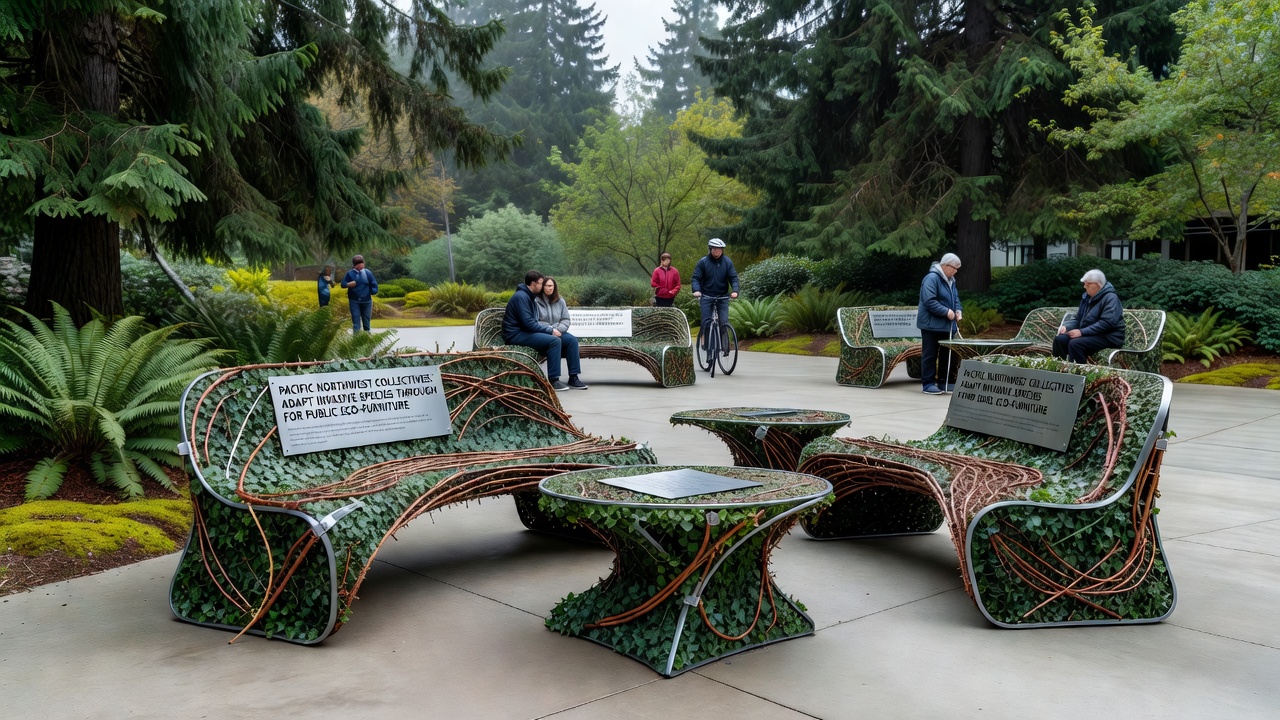
Groups across Washington, Oregon, and British Columbia have turned their attention to invasive plant species that dominate local ecosystems, applying hybrid bending methods that combine steam treatment with mechanical forming to create durable public furniture pieces. These collectives operate in shared facilities where they harvest materials like Scotch broom and Himalayan blackberry, then process them into benches, planters, and trail markers installed in parks and urban plazas.
Regional Invasive Species Pressures Drive Material Innovation
Washington state alone reports over 1.5 million acres affected by invasive vegetation according to the Department of Natural Resources, while British Columbia tracks similar expansion through its Inter-Ministry Invasive Species Working Group. Collectives collect these plants under permitted removal programs, then dry and prepare stems and branches for bending trials that began gaining momentum in late 2025. The hybrid approach emerged when standard steam bending failed to produce consistent curves in the fibrous, irregular growth patterns typical of invasive species, prompting teams to add compression rollers and controlled tensioning during the heating phase.
Data from the United States Forest Service shows that hybrid-bent components retain 85 percent of their original tensile strength after three years of outdoor exposure, a figure that encouraged further scaling of community projects. Workshops in Portland and Vancouver now coordinate harvest schedules with municipal parks departments to align removal efforts with furniture production cycles.
Hybrid Bending Process Details and Equipment Adaptations
Technicians soak harvested stems in water baths for 48 hours before introducing them to steam chambers heated to 212 degrees Fahrenheit. Once pliable, the material moves to a hybrid rig that applies simultaneous steam and mechanical pressure through adjustable molds. This dual action prevents cracking in species with uneven grain density while allowing tighter radii than traditional methods permit. Observers note that collectives have documented a 40 percent reduction in material waste compared with earlier steam-only trials.
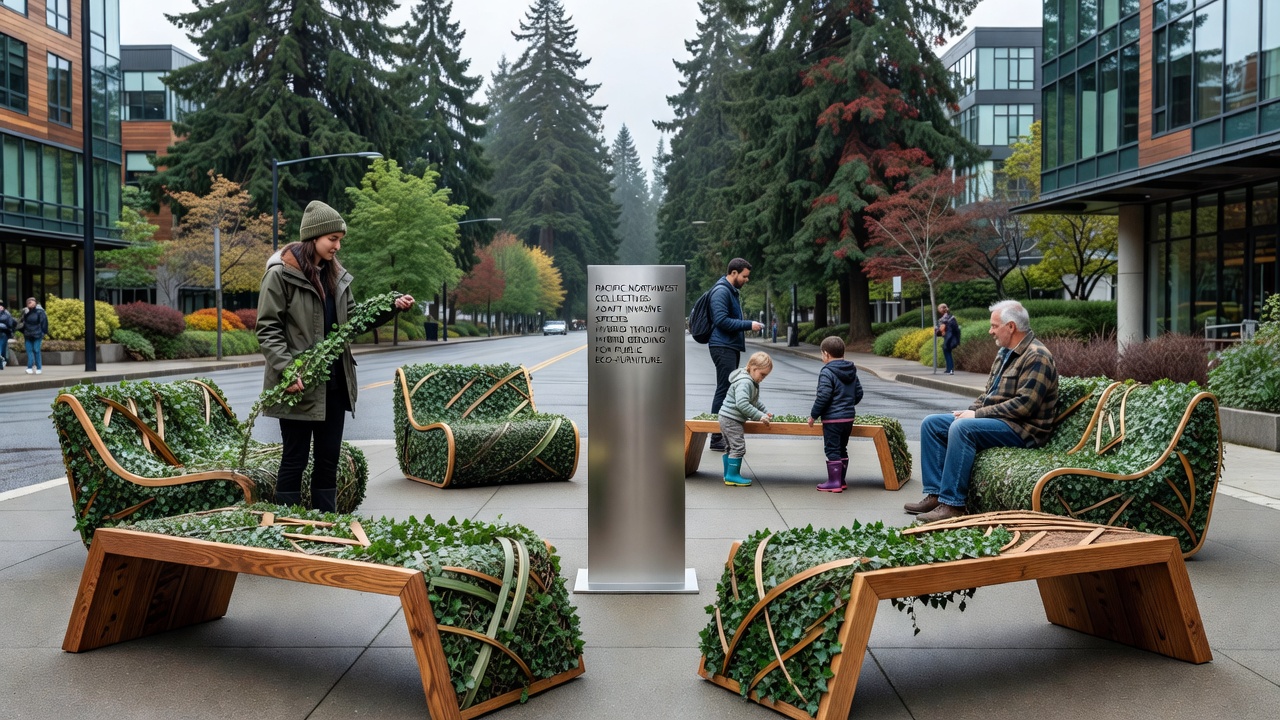
Equipment modifications include retrofitted pipe benders fitted with digital temperature sensors and variable-speed feed rollers. A September 2026 demonstration at the Pacific Northwest Woodworkers Guild gathering showcased a prototype rig capable of processing 200 linear feet of invasive stems per hour, with results displayed in a temporary installation at Seattle's Discovery Park.
Public Installations and Community Partnerships
Completed pieces appear in municipal settings from Eugene to Victoria, where benches constructed from bent Scotch broom frame recycled plastic seating surfaces. Trail signage fabricated from hybrid-bent blackberry canes marks restoration sites managed by local land trusts. Partnerships with city recreation departments provide the collectives with installation sites and maintenance agreements that extend furniture lifespan. Records maintained by the Oregon Parks and Recreation Department indicate that 12 new installations entered service during the first half of 2026 alone.
Training programs run by the collectives teach participants to identify suitable harvest material, operate the hybrid rigs safely, and finish surfaces with non-toxic sealants. These sessions draw attendees from both urban and rural areas, expanding the skilled labor pool available for future projects.
Environmental Metrics and Long-Term Monitoring
Life-cycle assessments conducted by researchers at the University of Washington track carbon sequestration benefits when invasive biomass is diverted from open burning or landfill disposal into durable products. Early figures indicate each ton of processed material avoids roughly 1.2 tons of carbon dioxide equivalent emissions. Monitoring plots established near installed furniture measure soil recovery rates in cleared invasive patches, with preliminary reports showing increased native plant recruitment within two growing seasons.
Continued data collection through 2027 will compare performance across climate zones within the region, providing guidance for collectives in other temperate areas facing similar invasive pressures.
Conclusion
Pacific Northwest collectives continue refining hybrid bending protocols while expanding the range of public furniture types produced from locally sourced invasive species. Coordinated harvest, processing, and installation activities link ecological management with community craftsmanship, generating measurable environmental outcomes alongside functional outdoor amenities. Ongoing monitoring and equipment development support the steady integration of these methods into regional land stewardship programs.