Rosa Schmitz · 11 October 2026
From Hull to Home: How Traditional Bending Skills Are Being Passed Down in Modern Workshops
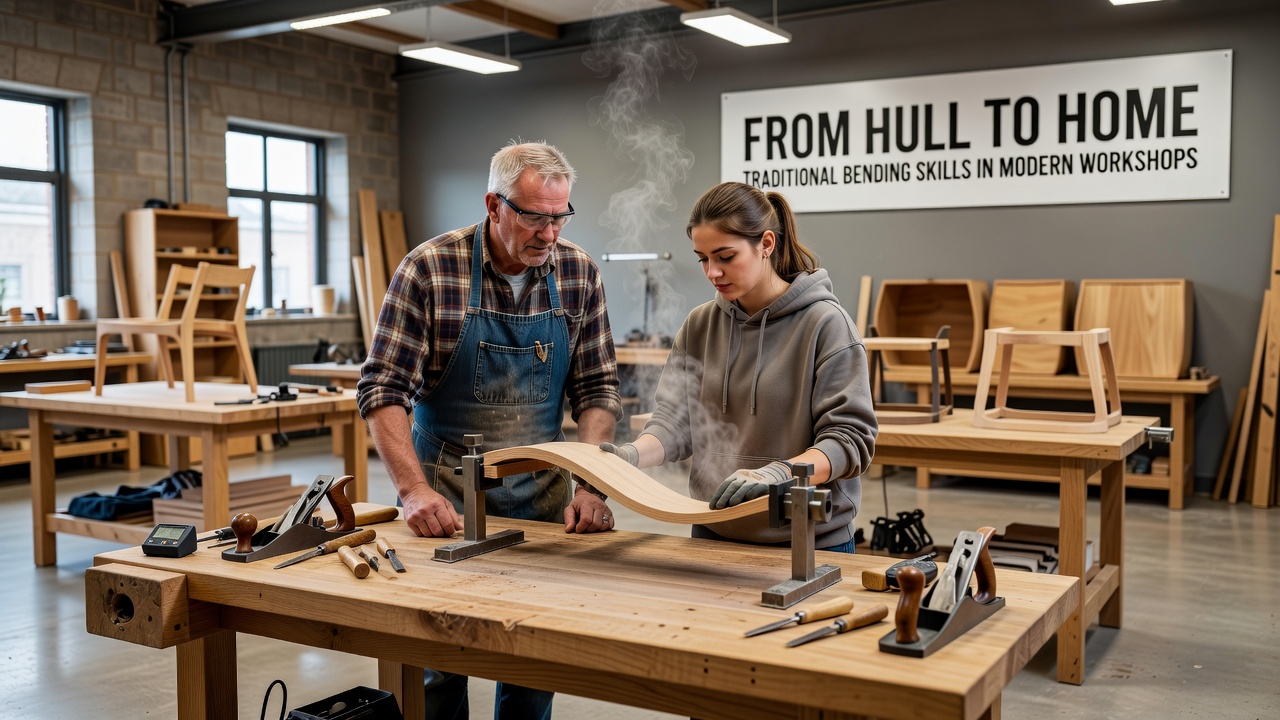
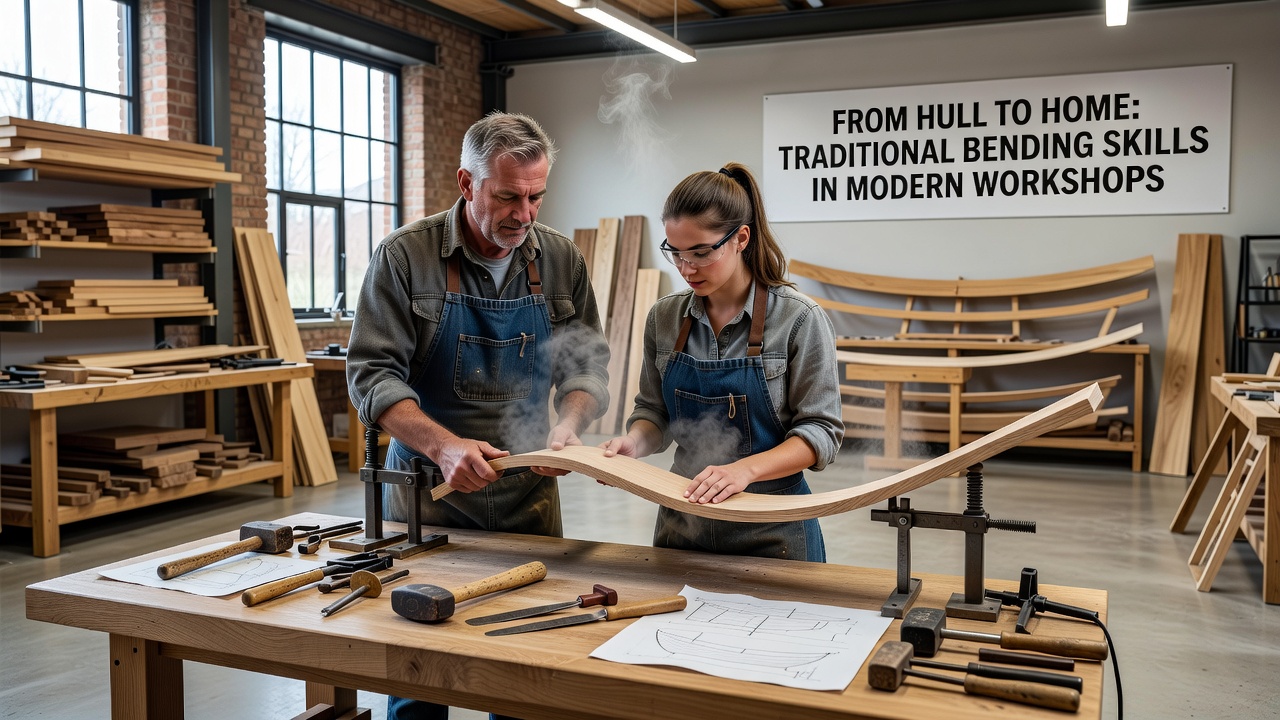
Traditional bending methods that once shaped boat hulls now find new applications in contemporary furniture and architectural elements, with workshops across several regions maintaining these practices through structured training programs. Data from industry reports indicate that steam bending, along with related techniques like laminating and kerfing, continues to transfer from experienced practitioners to newer generations in facilities that blend historical approaches with updated equipment.
Origins in Maritime and Early Craft Traditions
Boat builders developed bending skills centuries ago to create strong, curved frames without joints that could weaken under stress, and those same principles now support production of chairs, tables, and structural beams in land-based settings. Observers note that many modern workshops trace their methods directly to shipyard practices, where green wood was heated and formed around molds to achieve precise radii. Research from vocational studies shows that these core steps, involving soaking, steaming, and clamping, remain largely unchanged even as power tools assist with preparation and finishing.
Workshops in coastal areas and inland regions alike document the shift, with training sessions often beginning with demonstrations of how hull curvature principles apply to smaller domestic objects. Figures from craft preservation organizations reveal steady enrollment in programs that pair historical context with hands-on repetition, allowing participants to understand why certain grain directions and moisture levels matter during the process.
Core Techniques and Equipment Updates
Steam bending starts with selecting straight-grained stock, typically hardwoods such as oak or ash, followed by exposure to low-pressure steam for periods ranging from thirty minutes to several hours depending on thickness. Once pliable, the wood is removed and bent over forms, then secured until it dries and holds its shape. Modern facilities incorporate digital moisture meters and temperature-controlled chambers that reduce variability compared with earlier open-fire methods, yet the sequence of steps follows the same logic established in earlier eras.
Additional approaches include cold bending with laminations, where thin strips are glued and clamped in curves, and selective kerfing that allows controlled flexibility before reinforcement. Instructors in these workshops emphasize measurement and testing at each stage, using jigs that replicate traditional templates while incorporating adjustable components for repeatability.
Training Structures in Contemporary Settings
Apprenticeship models continue to operate in several countries, with programs that run from several months to multiple years combining classroom instruction and supervised production time. In October 2026, multiple workshops plan to host open demonstrations that highlight bending sequences alongside discussions of material sourcing and waste reduction. Participants often begin with simple test pieces before progressing to full-scale items such as curved backrests or arched supports.
Community colleges and specialized craft schools integrate these skills into broader woodworking curricula, drawing on guidelines from national training authorities. According to information published by the Canadian Heritage department, federal support for traditional craft transmission includes funding for mentorship pairings that connect retired shipwrights with current furniture makers. Similar arrangements appear in other regions through industry associations that track completion rates and employment outcomes for graduates.
Examples from Active Workshops
One facility in the Pacific Northwest combines steam bending with material from managed forests, producing public seating that meets durability standards for outdoor use. Instructors there report that learners frequently reference boat-building diagrams when troubleshooting grain separation during bends. Another program in northern Europe incorporates hybrid methods that add mechanical fasteners only after initial forming, preserving the visual continuity of continuous curves.
Take one researcher who documented transmission patterns across five workshops and found that daily repetition of the same bend sequence produced the strongest retention among trainees. Data collected over two years showed measurable improvement in consistency when new workers observed multiple experts rather than relying on a single mentor.
Adaptations and Resource Considerations
Workshops address supply challenges by maintaining relationships with sawmills that provide consistent stock, while also exploring reclaimed timber that requires additional testing for internal stresses. Energy use for steam generation has prompted some sites to adopt smaller, insulated chambers that maintain required temperatures with reduced fuel. Training materials now include safety protocols aligned with occupational health standards from various regulatory bodies, covering both equipment handling and ventilation requirements.
Links to academic sources such as reports from the National Endowment for the Arts indicate ongoing interest in documenting these practices as part of broader cultural heritage inventories. Workshops use this information to refine curricula that balance speed of production with fidelity to original techniques.
Conclusion
Traditional bending skills continue to move from historical maritime applications into modern workshops through deliberate training structures that emphasize repetition, observation, and incremental complexity. Equipment updates support precision without replacing the fundamental sequence of heating, forming, and setting that defines the craft. Programs scheduled for late 2026 and beyond maintain these connections, allowing new practitioners to acquire methods that originated in hull construction and now support a range of functional objects.